

The Reality of Rescue: Inside a Vietnamese cat sanctuary

Article by Cavan Griffin and pictures by Pauline Mongarny. The Franco-British couple are animal lovers and travellers.
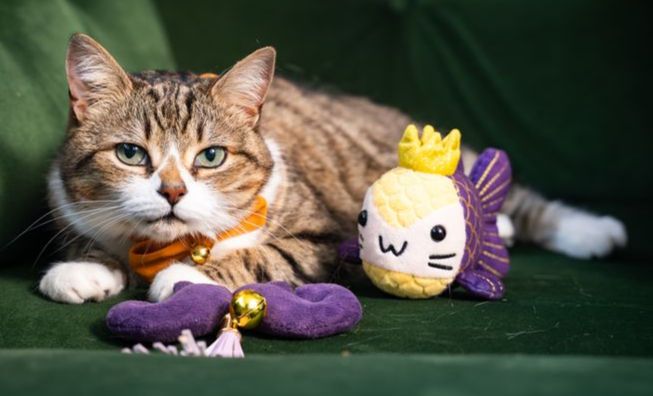
IN the narrow backstreets of Hoi An, away from the UNESCO World Heritage yellow-walled tourist centre, sits a quiet home that houses 112 cats.
This is the headquarters of Vietnam Cat Welfare (VCW), a UK registered charity that operates Jack’s Cat Cafe.
It is not a typical 'cat cafe' designed for human entertainment; it is a working sanctuary for animals that have often faced hardship on the local streets.

Running the daily operations are Emma Bolton, from England, the founder of VCW and volunteers like Chris and Astrid, an Austrian couple who found themselves in Vietnam when COVID struck. Since then, they have not left and now know all 112 cats by name. For them, the work is a constant balance between the rewarding nature of rescue and the harsh realities of animal welfare in Southeast Asia.
Chris says: "The reason the cafe opened is for the cats’ benefit. The cafe is here for the cats, not the other way round.
"We limit the hours so the cats are not overwhelmed. It provides them with social interaction and helps fund their care, but we never want it to be a source of stress for them.
"We have a big space here including lots of areas where visitors don’t have access so the cats can do whatever they like in the moment."
The small entry fee and drink sales go directly into a central fund for food, litter, and high veterinary bills.
For most of the week, the house is a private space where the cats - especially those with special needs who require a quiet environment - can settle into a routine without the pressure of constant visitors.

Anyone wanting to visit the cafe must book in advance. This helps keep the numbers of people at the cafe manageable for the cat’s wellbeing and is also for safety reasons.
And the cafe does not visibly advertise its existence in the street to protect the cats from
theft for the meat industry.
While the core of the team is international, VCW is also a local employer. Vietnamese staff members like Thương Ngọc and Vinh are essential to the daily operations, helping to bridge the gap between the charity’s mission and the local community.
They have been working with them for many years on the ground, assisting with the daily care of the residents and the management of the cafe during its opening hours. Having local staff is a key part of the organisation’s long-term strategy to integrate
animal welfare into the local culture.
The technical side of the rescue often involves life-or-death decisions made on the fly. One of the biggest characters at the sanctuary is Ralph, who had a difficult story.
Chris says: "Ralph is one of our success stories. We got a call about a cat that had been found with blood around his mouth and vomiting blood everywhere.

"We found him and took him to a vet who identified that he’d swallowed rat poison. The vet said it’s pretty much a death sentence, but that maybe if we gave him a blood transfusion it could help."
With no blood bank available, Chris looked to the sanctuary’s own residents. "Immediately I thought, we have 100 cats; I’m sure one will be a match," he says. "It had to be a strong healthy cat, so I thought of Bush.
"When I called back to the rescue, Bush was waiting right outside the door. She gave 40ml of blood and saved Ralphie."
Today, both cats are healthy. Ralph remains at the sanctuary, while Bush is currently being prepared for adoption by a German traveller. The team is now waiting for a flight
volunteer to help transport her to Germany.
Some of the residents live with permanent disabilities: there are cats missing limbs from disease or traffic accidents, others who are completely blind, and several with neurological issues, including brain damage and severe balance problems caused by trauma or untreated infections.
Although the vet bills can become expensive, no cat is ever put down on the basis of cost. Funding is always the biggest struggle for the charity, but the challenge is always accepted to support medication and cats are only ever euthanised if they are suffering with no hope of treatment.

The work of VCW exists within a complex cultural context. The cat and dog meat trade is a documented reality in Vietnam, and pet theft is common. Cats are often snatched from their homes or off the street to be sold to traders.
Chris highlights a specific problem where the line between "saving" an animal and fuelling the trade becomes blurred.
"One local man is known for buying a stray dog, putting him in a cage, and waiting in tourist areas," he says. "He is selling the dogs to the meat trade, but before he stops at various popular place.
"He tries to sell the dogs for even more money to tourists who will buy the dog or cat
out of pity to take it to a sanctuary. It becomes a vicious circle."
By paying this person to "rescue" the animal, tourists inadvertently create a market that encourages him to buy again.
For Emma, the long-term solution lies in community education rather than just rescue. "The majority of rescue cases we’ve had over the years have been for dumped, sick, neglected kittens and cats," she says.

"This is why we have many cats in care and foster placements. Education here is so important. We want to help people to understand that cats and all animals are living, loving, needing creatures. Just like us.
"We are here to encourage and support vaccination and sterilisation, teaching fundamental care of animals and compassion."
The primary hurdle is the cultural perception of sterilisation. Chris notes that while many local people like cats, there is a widespread reluctance to neuter them.
However, when these un-neutered cats have litters, the owners often lack the resources or desire to care for the kittens, leading to them being dumped in markets or on the street.
"In the five years we’ve been here, I’ve noticed a change in attitudes,” Chris says. "Younger people don’t seem to want to eat cats and are more compassionate,
but it’s a very long way to go. Animal care is still a long way from what you see in Europe."

The sanctuary relies on a rotating cast of international volunteers, such as Michelle, from Texas, who joined the team after moving to Vietnam.
"I left the US to get away from Trump and found myself here," she says. "I believe we have to give back. Watching cats like Elton come in as kittens and develop is special. Especially seeing them get adopted - it really makes everything worth it."
Others, like Irfan, from Croydon, England, are here to learn how to replicate the model elsewhere.
Having volunteered at the sanctuary for a month, he is soaking up the operational knowledge required to run a high-capacity rescue.
Irfan's ultimate goal is to take the skills he has learned in Hoi An and set up a similar animal charity in Sri Lanka, where he sees a similar need for a structured rescue
and sterilisation programme.
While VCW encourages local adoptions, there are also a few cats finding homes abroad with expatriates or tourists.

The organisation helps navigate the bureaucratic process of moving an animal across borders, including vaccinations, microchipping, and export permits.
One such adoption happened on the day we visited. Daimeer Bryant, a visitor from Philadelphia, met a cat named Little Fire Cub at Jack’s Cat Cafe during her one week trip to Vietnam.
"Chris just placed him on my lap and he just sat there for an hour and let me pet him as he fell asleep,” Daimeer says.
"He chose me more than I chose him. He just wants to be loved." She is currently making
arrangements to take him back to the United States.
Moving a cat from Vietnam to the West is a multi-step process. VCW manages the medical preparation, but they rely on flight volunteers - travellers already booked on flights to Europe or the US - to accompany the animals. This is often the final hurdle in finding a cat a permanent home.
However, they also recognise that an older a cat gets the more challenging it is to find new homes for them.

"When a cat is adopted it’s great but we know that a lot of them never will find a new home. I’m happy knowing that here they have enough space to live their life as they like and they feel at home here I think."
The work at Vietnam Cat Welfare is a matter of practical, daily effort. Whether it is educating a neighbour on the benefits of neutering or co-ordinating a blood transfusion between two rescues, the goal is to move toward a future where a sanctuary of is no longer a necessity.
For now though, the 112 cats at Jack’s Cat Cafe have a home where they’re loved and cared for by a team putting themselves second and cats first.
For more information about VCW, visit Vietnam Cat Welfare | Rescuing Animals & Raising Awareness
And for more details about Jack’s Cat Cafe, click Jack's Cat Cafe | Visit & Support Our Rescue Cats in Hoi An


Comments