

When demolition becomes a medical emergency

FOR Seoul's street cats, the loss of an alley can quickly become a health crisis. Julie Choi, of YongsanCats, explains why rescue must connect fieldwork, veterinary care, foster recovery and adoption - and why the clinic is the middle of that journey, not the end.
AT a redevelopment site in Seoul, the first visible change is often a metal fence. To a person, it marks the edge of a construction zone. To a street cat, it may suddenly block the route to food, water or the gap beneath a building where the cat has slept for years.
Then the familiar people leave. The alley grows quieter, while demolition noise gets louder. A cat who once appeared at the same feeding place every evening may stop coming. Another may remain inside the fenced area because the only territory it understands is on the other side.

This is where redevelopment becomes more than a housing or planning issue. For the animals living inside the neighbourhood, it can become a medical emergency.
My name is Julie Choi, and I run YongsanCats, a small independent rescue and foster network in Seoul's Yongsan district. Since 2024, I estimate that we have rescued more than 200 cats, many from neighbourhoods being cleared for redevelopment. The number is significant, but our work is never experienced as a number. It arrives as one cat who has not eaten, one mother hiding kittens, one injured animal who needs a clinic today, and one urgent question: where can this cat recover afterwards?
The First Link Begins Before the Clinic
Veterinary treatment is essential, but getting a street cat to a veterinary team is only one link in a longer chain.
Before an appointment can happen, someone must know the cat well enough to notice that something is wrong. A consistent feeder may observe a change in appetite, posture or movement. A volunteer may spend nights checking when the cat appears. A safe trapping plan has to account for construction access, locked gates and the possibility that several cats use the same route.
Once the cat is caught, transport and a clinic appointment must be coordinated quickly. After the examination or treatment, the cat may need medication, observation and a quiet place to recover. A frightened cat cannot simply be released beside a demolition fence if the territory it depended on no longer exists.

This is the central difficulty of rescue in a redevelopment area: medical care and safe placement cannot be separated. Treatment without recovery space leaves a cat vulnerable. Foster space without access to veterinary care may leave illness untreated. Adoption work cannot begin responsibly until the cat's health and behaviour are understood.
The rescue chain is only as strong as the missing link.
Yeontan and the Kittens We Could Not See
Yeontan was a very young mother living at a demolition site. We knew she had given birth, but we did not know where she had hidden her kittens. For more than a month, we watched her movements and searched carefully, trying to locate the family without driving her away.
When we finally found the three kittens - Hana, Duri and Sani - they were around one-and-a-half to two-months-old. All three had eye infections. Their mother was cautious and protective but not aggressive.
She was still barely more than a kitten herself, trying to raise babies in a place that was disappearing around her.
The immediate priorities were clear: bring the family to safety, arrange health checks and give the kittens the care they needed. Yet the clinic visit alone could not solve the problem. Yeontan and her kittens needed to remain together in a stable foster environment where their eyes could heal and their progress could be observed.

That recovery space revealed things no short appointment could show. Duri became affectionate and adventurous, often eager to greet people. Hana grew into a playful, confident kitten. Sani was more careful, but once she trusted someone, she wanted to sleep close. Yeontan watched them and slowly began learning from their confidence.
Yeontan and Sani eventually found a home together. Duri remains with Hana while they wait for the right next step.
Their story is a reminder that foster carers are part of the care team. They give medication, watch appetite and behaviour, notice small changes and report them. They also allow a cat's real personality to emerge after the immediate crisis has passed. That information is invaluable when deciding what kind of permanent home will suit the cat.
When Return Is No Longer Safe
Trap-Neuter-Return (TNR) remains an important way to manage and support stable street-cat populations. But the final word - return - assumes that there is a viable territory to return to.
In a redevelopment zone, that assumption can collapse. Feeding points are removed. Shelter is demolished. Familiar routes are sealed. Returning a cat to the same co-ordinates does not mean returning the cat to the same environment.
This is why Yongsan District and YongsanCats began working together in April 2025 on a Trap-Neuter-Adopt, or TNA, approach. The programme connects health checks, vaccination and microchipping with a path towards adoption for cats who cannot safely go back to their former territory.

TNA is not a simple replacement for TNR. It requires much more capacity. A cat may need time to adjust indoors, and an adult who has lived outside for years may not be ready for immediate adoption. Clinics, foster carers, transport volunteers and adopters all become part of the process. The approach works only when those pieces are planned together.
It also requires honest judgement. Not every street cat will adapt to the same kind of home, and rescue should not force every animal into an identical outcome. The goal is to understand the individual cat, assess the options available and avoid returning an animal to a place that has effectively ceased to exist.
Recovery Can Change What We Think We Know
Coco had survived outdoors around the Hannam-dong redevelopment area for more than seven years.
Neighbours knew him as a steady presence. Because he appeared calm and capable, it would have been easy to assume that he could continue looking after himself.
But the neighbourhood emptied, and Coco was left behind.
After rescue, he was gentle and composed. At first, we saw him as a dignified older street cat who preferred to keep some distance. Then he moved into the right foster home.
He began running through the room in sudden bursts of energy. He explored the sofa and bed. He relaxed around other cats. Although he was not yet comfortable with unrestricted touch, he began accepting treats by hand.

The change was not a trick of personality. Safety allowed us to see behaviour that street survival had concealed.
This matters clinically as well as emotionally. A cat's behaviour in a trap, a busy clinic or the first days after rescue is not necessarily a complete picture of the animal. Pain, fear and unfamiliar surroundings all affect what veterinary teams and rescuers see. A quiet recovery period, followed by careful foster observation, can provide a much better understanding of the cat's needs and adoptability.
For Coco, rescue was not only removal from danger. It was the beginning of a slower assessment: how he relates to other cats, how he responds to people and what kind of home may allow him to keep building trust.
Veterinary Teams Hold a Critical Part of the Chain
Small rescue networks depend heavily on veterinary professionals who understand that street-cat cases do not always arrive neatly. The history may be incomplete. The person bringing the cat may not know the cat's age or previous treatment. A safe discharge plan may depend on a foster placement that is still being arranged.
What helps most is communication. Clear priorities allow rescuers to understand what must happen immediately and what can be monitored. Practical instructions help foster carers continue care safely.
Realistic discussion about follow-up, stress and recovery helps everyone make better decisions for the individual animal.

Rescuers also have responsibilities to veterinary teams. We need to share observations accurately, arrive prepared when possible, follow treatment instructions and avoid promising an outcome before the cat has been properly assessed. Trust between a clinic and a rescue network is built case by case.
No single clinic, foster carer or volunteer can absorb unlimited demand. Sustainable rescue means recognising capacity before the next emergency arrives. It means creating reliable relationships, maintaining accurate records and finding more people willing to foster, transport or adopt.
What a City Owes the Animals Living Within It
Redevelopment is usually measured in buildings removed, homes constructed and people relocated.
Street animals rarely appear in that accounting, even though they have lived within the same neighbourhoods for years.
A humane city should plan for them before the fences close. That means early co-ordination with local carers, time to identify and monitor cats, access for safe trapping, veterinary pathways and funding that reflects the full journey from rescue to recovery. Waiting until demolition is under way turns preventable problems into emergencies.
At YongsanCats, the work still happens one animal at a time. Someone notices. Someone stays late to trap. A veterinary team examines a cat with little history. A foster carer opens a room and watches through the first uncertain nights. An adopter chooses a cat who may need patience.
For Yeontan's kittens, that chain meant treatment, safety and the chance to grow. For Coco, it meant discovering that an older street cat still had playfulness waiting beneath years of caution.
The clinic is not the end of either story. It is the point where danger can begin to turn into recovery - if the rest of the chain is ready to hold.
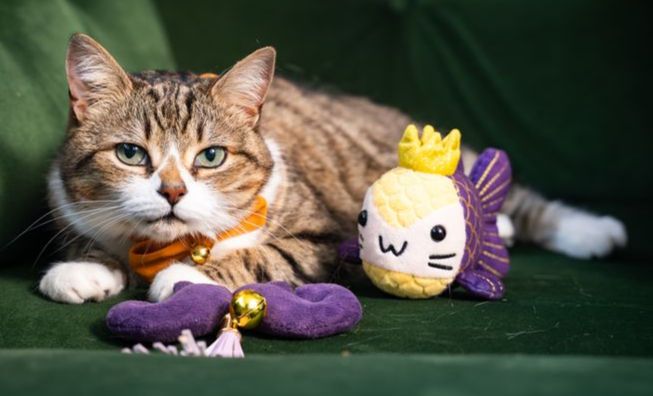
Images courtesy of YongsanCats. All cats featured have been fostered or adopted through the charity.


Comments